
Beyond the Outlet: How the Humble Non-Electric Bidet is Quietly Conquering Western Bathrooms - Angel site web
The Power of Mechanical Simplicity
“The biggest historical barrier to bidet adoption in North America was the lack of electrical infrastructure near the toilet,” explains David Martinez, Senior Home Fixtures Analyst at Urban Living Insights. “Over 80% of residential bathrooms built before 2015 do not feature a GFCI power outlet adjacent to the commode. By eliminating the plug and operating entirely on ambient water pressure, mechanical bidets unlocked tens of millions of households overnight.”
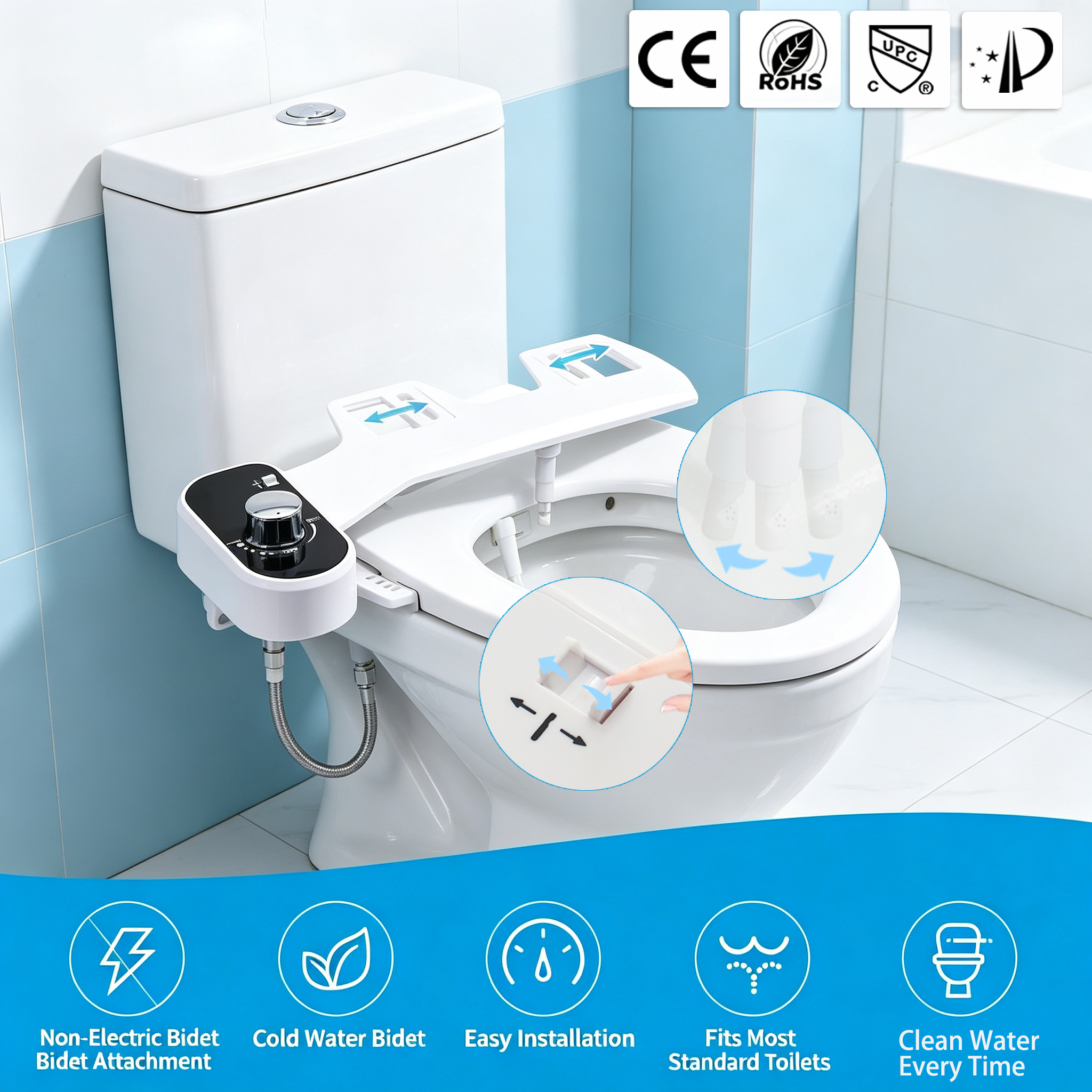
Modern non-electric bidets—ranging from ultra-slim under-seat attachments to unpowered replacement seats—rely on calibrated internal valves and ergonomic control knobs. When turned, household water pressure smoothly extends self-cleaning dual nozzles, delivering targeted personal cleansing without electrical reliance.
“Users get instantaneous, nuanced control over spray force,” Martinez adds. “A gentle twist provides a soothing rinse for sensitive skin, while a further turn delivers a thorough, invigorating stream. With no internal circuit boards or heating coils to burn out, mechanical bidets are virtually impervious to bathroom humidity and water damage.”
-
The Next Frontier: Sleeker Profiles and Mechanical Warm Water
As household penetration continues to climb across the US, Canada, the UK, and Australia, manufacturers are refining mechanical hardware:
- Ultra-Slim Profiles: Engineered brackets now measure under 5–6 millimeters, eliminating the seat gap that plagued earlier generations.
- Aesthetic Finishes: Modern attachments feature brushed brass, matte black, and nickel accents that harmonize with designer bathroom faucets.
- Non-Electric Warm Water Blending: New dual-inlet models connect directly to hot-water lines beneath adjacent sink vanities, delivering thermostatically mixed warm water without a single watt of electricity.
For millions of converted households, the shift represents an irreversible standard of modern living. As one consumer review succinctly captured: “You wouldn’t clean mud off your hands with a dry paper towel and call them clean. The non-electric bidet simply makes sense—no outlet required.”
Feature Product
-
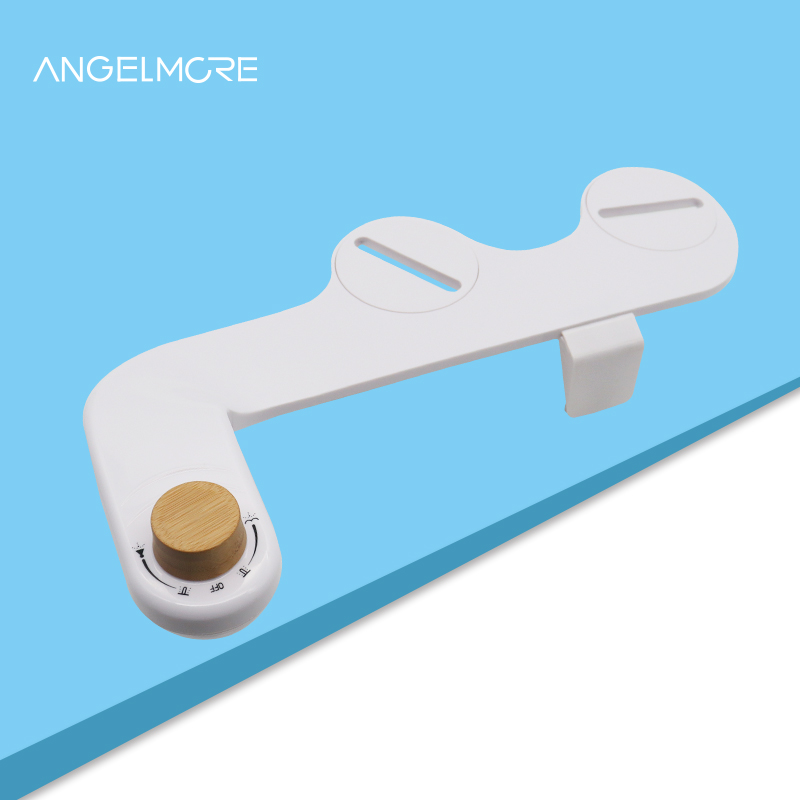 A8808 Cold Water Bidet
https://sc1108.searchtestsite.com/wp-conten...
-
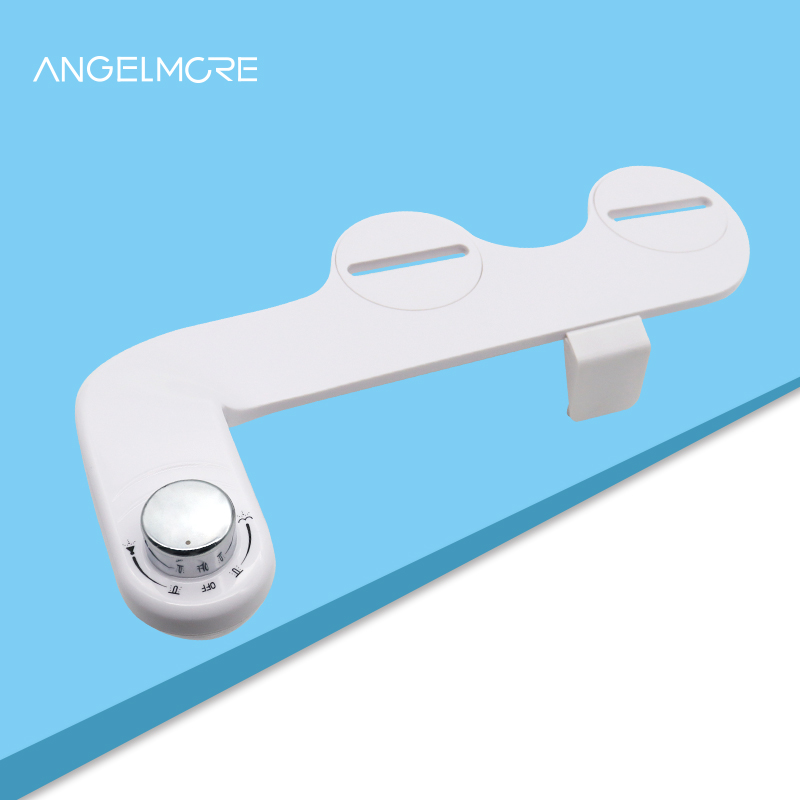 A8808 CUPC Certification Bidet
https://sc1108.searchtestsite.com/wp-content...
-
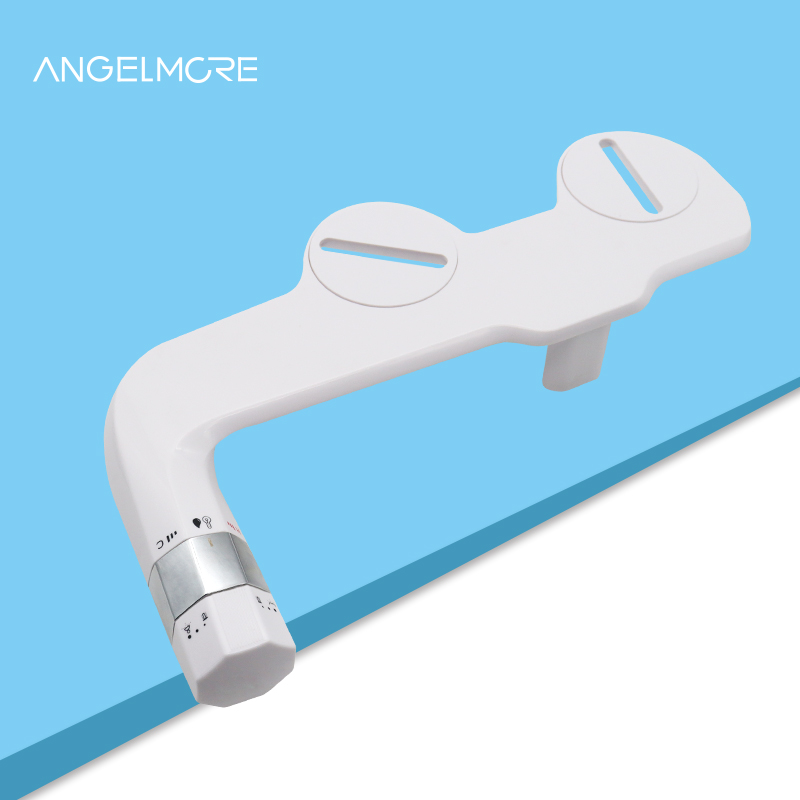 A8707 Cold & Hot Water Bidet
https://sc1108.searchtestsite.com/wp-content...