
Non-Electric Bidets Gain Global Popularity as Affordable, Eco-Friendly Bathroom Upgrade - Angel site web
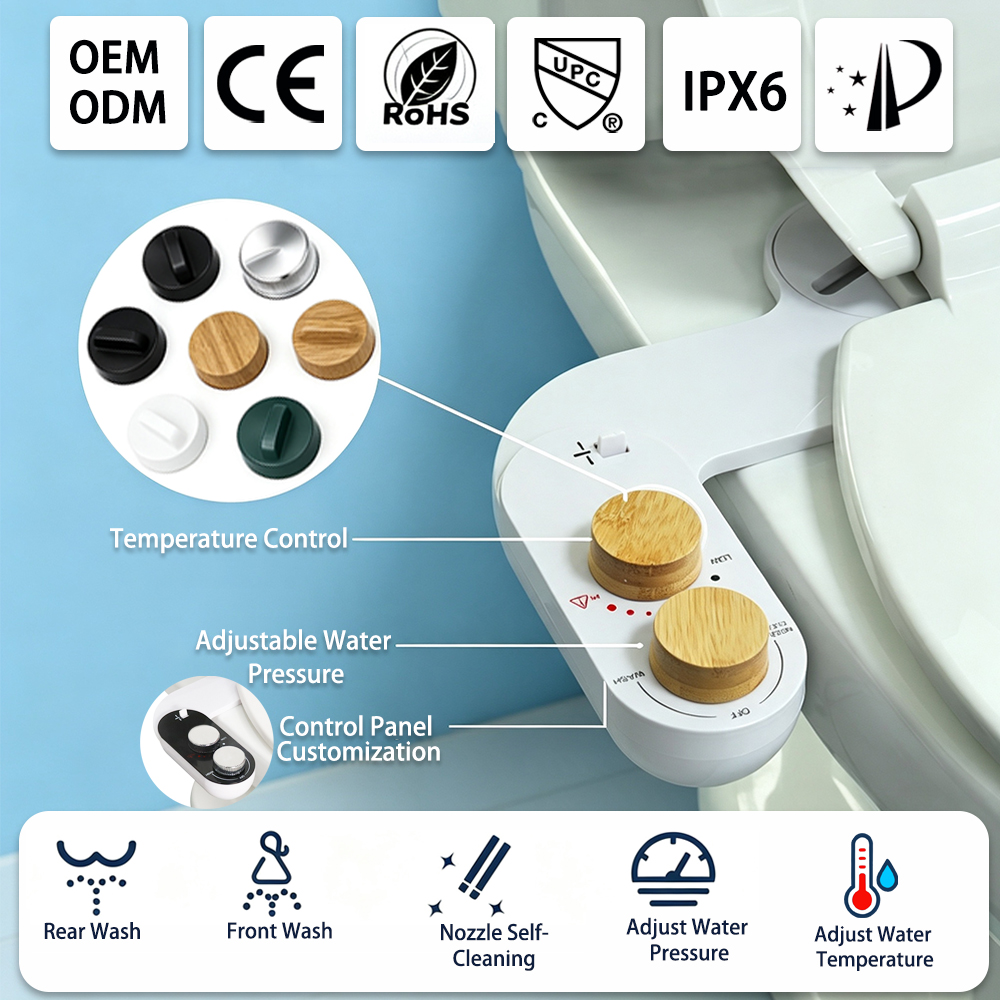
Global bathroom hygiene trends are shifting toward simple, practical upgrades, and non-electric bidet attachments are emerging as a top choice for households, rental properties and commercial washrooms. Powered purely by water pressure without electricity, these mechanical bidet solutions deliver reliable cleansing performance while avoiding the high cost, complicated wiring and electronic waste associated with smart electric bidet seats.
Core Advantages of Non-Electric Bidets
The biggest draw of non-electric bidets lies in their simplicity and accessibility. They require no power outlet near the toilet, so they work even during power outages. DIY installation takes just minutes, fitting onto most existing toilets without professional plumbers or renovation work. Built with durable ABS plastic and precision mechanical valves, they have minimal moving parts, leading to fewer breakdowns and low long-term maintenance needs.
From a hygiene perspective, water cleansing provides a much deeper clean than dry toilet paper, reducing skin irritation and discomfort. Users can easily adjust water pressure from soft gentle rinse to stronger cleaning flow, with separate nozzles available for rear wash and feminine care. Environmentally conscious consumers also favor this product: it drastically cuts down toilet paper consumption, helping reduce deforestation and plastic waste from disposable wipes, while using less water than the manufacturing process of toilet paper.
Growing Market Trend
Industry data shows the non-electric bidet segment maintains steady growth, capturing nearly half of the total bidet market share. Many first-time bidet buyers start with non-electric models, as the lower entry price removes the barrier to try water-based cleansing. The product sees strong demand across North America, Europe, Southeast Asia, Latin America and the Middle East.
Unlike premium electronic bidets targeted at high-end bathroom remodels, non-electric bidets fit well for mass B2B orders: apartments, hotels, hospitals, nursing homes and rental homes prefer this low-cost, retrofit-friendly solution. Consumers are increasingly prioritizing practicality over fancy smart features; many buyers simply want reliable cleaning without complex electronics, and this fuels the continuous rise of manual bidet products.
Ideal User Groups
Non-electric bidets serve a wide range of users, making them perfect for multi-generational families.
- Pregnant women and new mothers: The gentle water stream offers convenient intimate cleaning without uncomfortable stretching, helping ease hemorrhoid discomfort common during pregnancy.
- Seniors & people with limited mobility: It removes the need to twist and reach for wiping, helping preserve independence and lowering fall risks in the bathroom.
- Health-conscious families: Suitable for adults and kids, supporting daily intimate hygiene and reducing bacterial residue left by dry wiping.
- Budget buyers & renters: No permanent modification to the toilet, easy to remove when moving; affordable price for renters and cost-sensitive homeowners.
- People with sensitive skin or hemorrhoid issues: Soft water rinse is far less abrasive than rough toilet paper, soothing irritated skin.
Outlook
As global awareness of sustainable living and personal hygiene continues to rise, non-electric bidets are expected to keep expanding in global trade. Manufacturers continue refining nozzle design, anti-leak valve structure and quick-install hardware to further improve user experience. As an entry-level hygiene upgrade, non-electric bidets bridge the gap between traditional toilet paper and luxury smart bidets, bringing accessible water cleansing to more bathrooms worldwide.
Feature Product
-
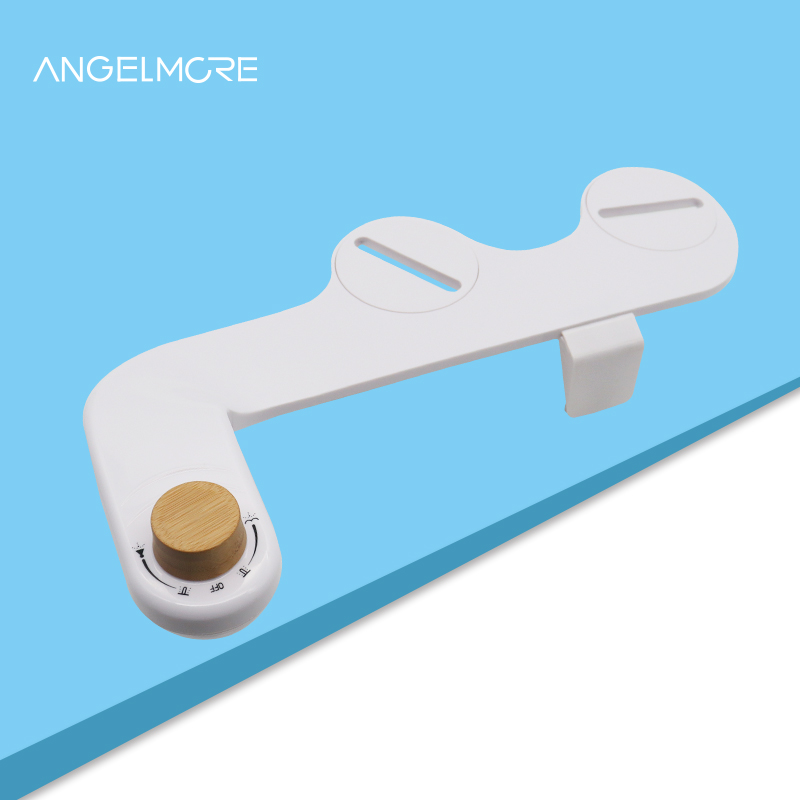 A8808 Cold Water Bidet
https://sc1108.searchtestsite.com/wp-conten...
-
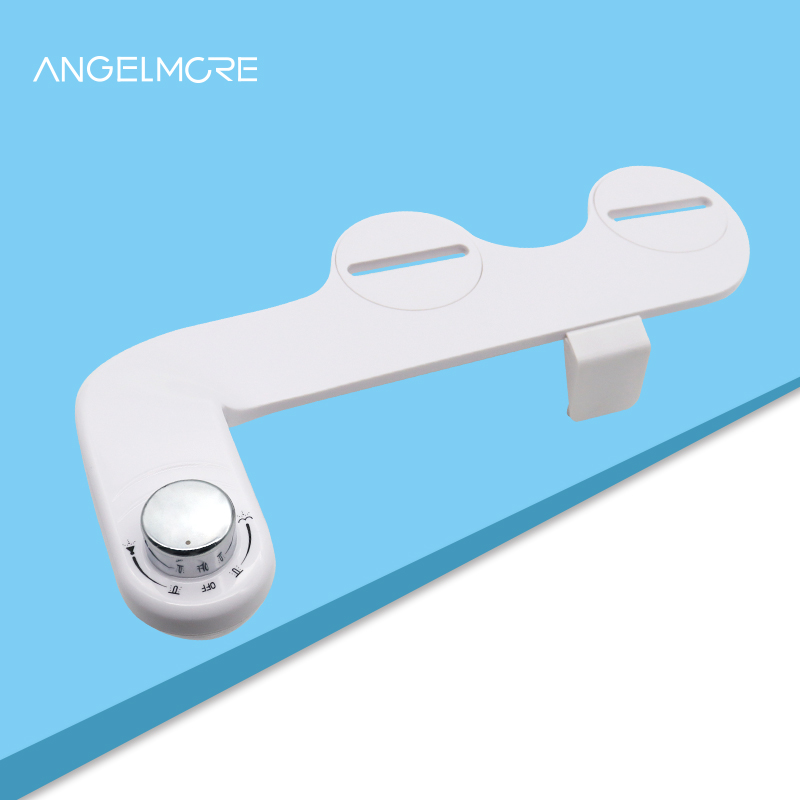 A8808 CUPC Certification Bidet
https://sc1108.searchtestsite.com/wp-content...
-
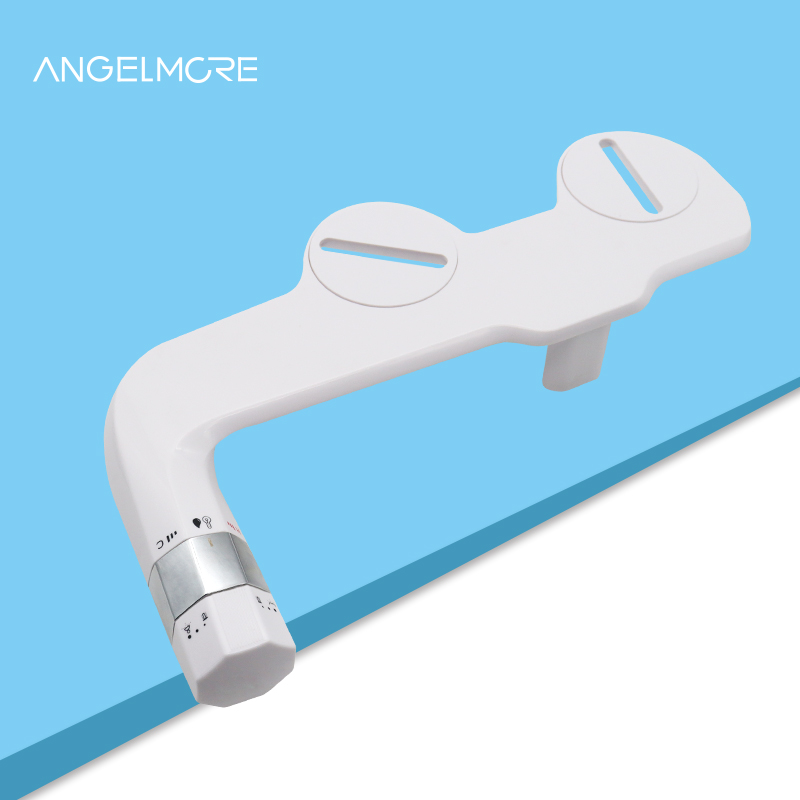 A8707 Cold & Hot Water Bidet
https://sc1108.searchtestsite.com/wp-content...