
Non-Electric Hot & Cold Water Bidet Attachments Gain Traction as a Low-Carbon Bathroom Solution - Angel site web
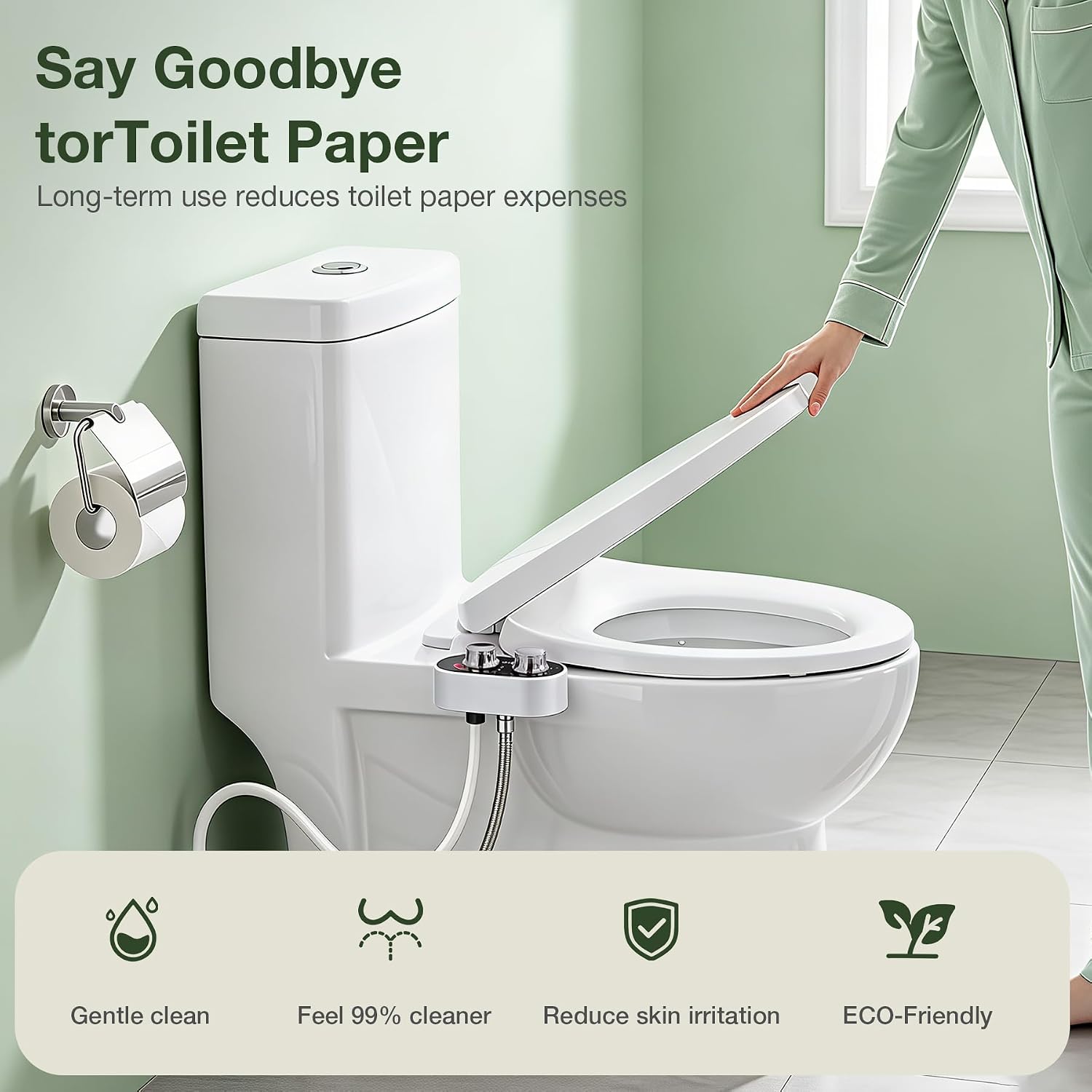
As global consumers and builders prioritise energy reduction, waste cutbacks and greener home fixtures, non-electric hot and cold water bidet attachments are emerging as one of the most practical sustainable products in the sanitary ware sector. Unlike electric bidet seats that rely on continuous power for heating, sensors and drying functions, this mechanical bidet model runs purely on water pressure, requiring no electricity at all while delivering adjustable warm and cool cleansing spray for daily hygiene.
The core industry advantage lies in its outstanding energy-saving performance. Without built-in electric heating modules, standby power loss and peak electricity consumption are completely eliminated. For households, rental apartments, hotels and public restrooms, this means lower utility bills and a much smaller carbon footprint over the product’s service life. For regions with unstable power supply or high electricity costs, the non-electric design removes the biggest barrier to adopting water-based cleansing.
nvironmentally, the product cuts toilet paper demand dramatically. Toilet paper production consumes massive volumes of freshwater and timber, and generates packaging waste plus carbon emissions from pulp manufacturing, transportation and disposal. By switching to water cleansing, users can slash toilet paper consumption by up to 75% or more, easing pressure on forest resources and landfill capacity The bidet comes with adjustable water pressure control, so users can fine-tune water flow to meet cleaning needs without unnecessary water waste, striking a balanced sustainable profile compared with tissue-only habits.
This sustainable positioning fits well with global green building trends, ESG procurement standards and eco-living campaigns. Many European, North American, Southeast Asian and Middle Eastern buyers are adding non-electric bidet attachments to their product portfolios, because they suit both eco-conscious residential end users and commercial projects such as green hotels, senior care centres and schools. It is also inclusive: simple mechanical operation works well for the elderly, pregnant women and people with sensitive skin, while fast DIY installation fits most standard toilets without complex renovation.
Industry analysts note that while smart electric bidets remain popular in high-end markets, the non-electric cold and hot water bidet segment is growing steadily for its affordability, reliability and sustainability credentials. It fills a market gap for buyers who want the hygiene benefits of a bidet without higher energy use, expensive maintenance or wiring work. Manufacturers are also improving material durability and nozzle self-cleaning structures to extend product lifespan and further reduce replacement waste.
“For the sanitary industry, sustainable innovation does not always mean more electronics,” said a product specialist. “This non-electric bidet proves that a simple mechanical design can deliver a low-carbon, low-waste bathroom upgrade accessible to far more markets.”
As sustainability requirements become standard for cross-border buyers, non-electric hot and cold water bidet attachments are set to become a staple eco-item in bathroom renovation, balancing hygiene comfort, energy conservation and environmental protection.
Feature Product
-
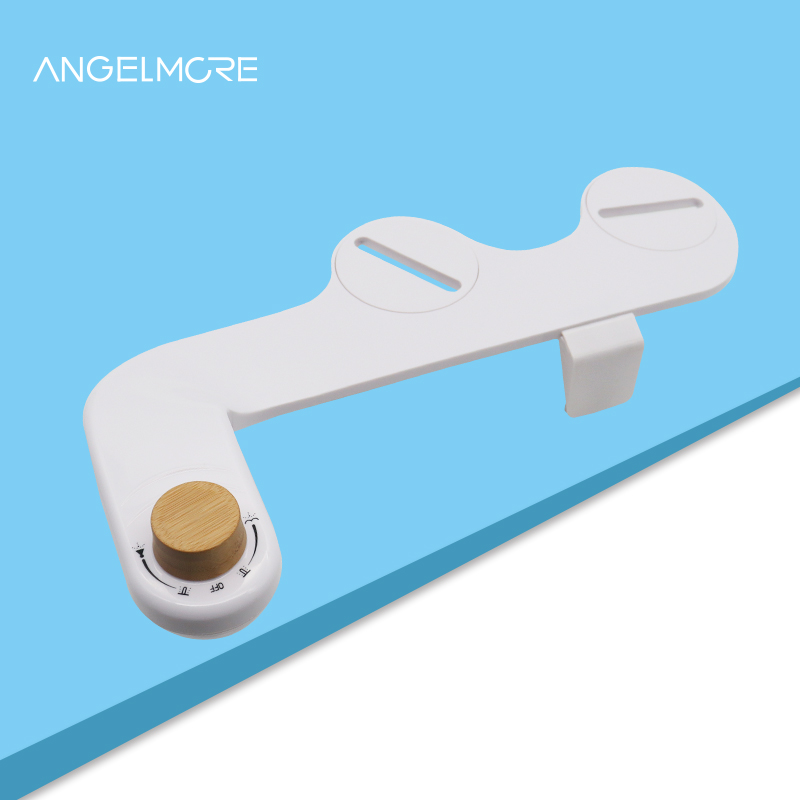 A8808 Cold Water Bidet
https://sc1108.searchtestsite.com/wp-conten...
-
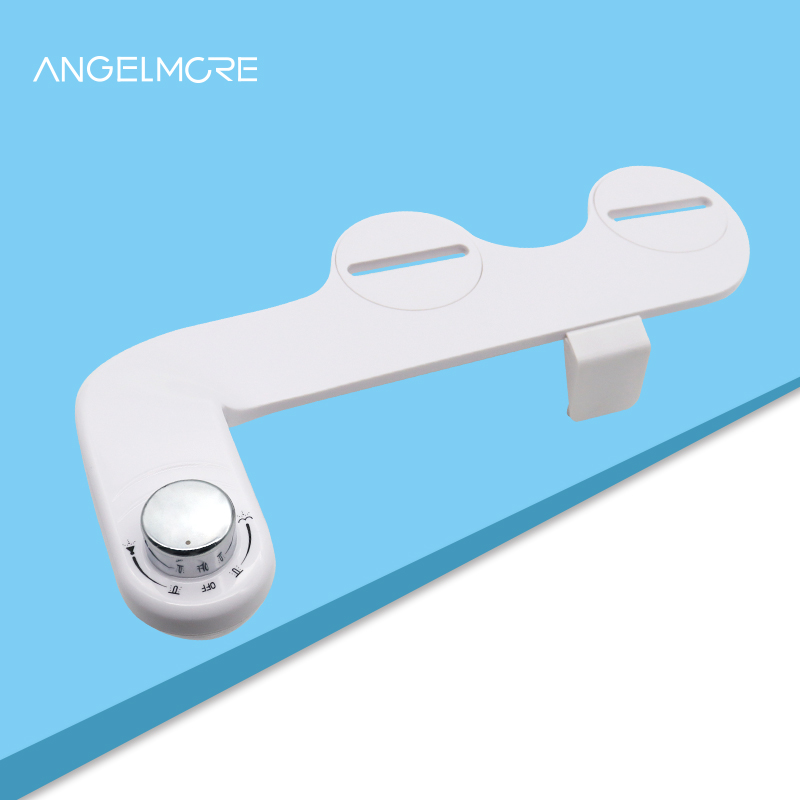 A8808 CUPC Certification Bidet
https://sc1108.searchtestsite.com/wp-content...
-
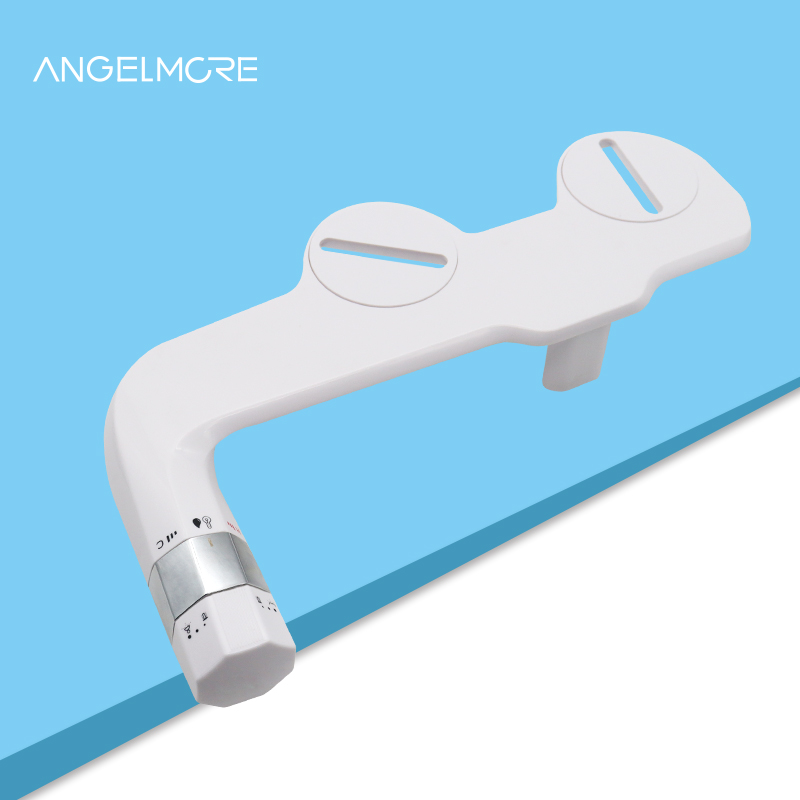 A8707 Cold & Hot Water Bidet
https://sc1108.searchtestsite.com/wp-content...