
The Modern Bathroom Revolution: Why an Upgraded Toilet Seat Has Become a Household Essential - Angel site web
In the realm of home improvement, major kitchen overhauls and living room redesigns often dominate the spotlight. Yet, an understated design and wellness revolution is quietly taking place in the most frequently visited room of the house: the bathroom.
Once regarded merely as a utilitarian commodity, the modern toilet seat has evolved into a centerpiece of everyday comfort, hygiene, and sustainable living. As homeowners and interior designers increasingly prioritize wellness-oriented living spaces, upgrading to a high-performance modern toilet seat has transitioned from an optional luxury to an essential household investment.
1. Peace and Quiet: The End of the Midnight Slam
One of the most universally appreciated advancements in modern bathroom fixtures is the soft-close damping mechanism.
Traditional toilet seats are notorious for loud, accidental slams—a frequent disruption in households with young children, light sleepers, or multi-generational families. Modern slow-close hinges utilize precision hydraulic dampers that allow both the lid and seat to close silently and smoothly with a gentle touch.
Beyond noise reduction, this controlled descent significantly reduces mechanical impact, preventing stress fractures on ceramic bowls and extending the lifespan of both the seat and the toilet fixture.
2. Elevated Hygiene: Quick-Release Engineering and Antimicrobial Surfaces
Sanitation has always been a top priority in bathroom design, but traditional fixtures often feature hard-to-reach crevices where dirt and moisture accumulate.
Modern seat designs address this directly with quick-release push-button systems. With a single click, users can detach the entire seat assembly in seconds, allowing for thorough, 360-degree cleaning around mounting bolts and hinges that were previously inaccessible.
Furthermore, material engineering has made significant strides:
- Duroplast (Urea-Formaldehyde / UF): Known for its ceramic-like feel, high scratch resistance, and naturally non-porous structure that resists staining and yellowing.
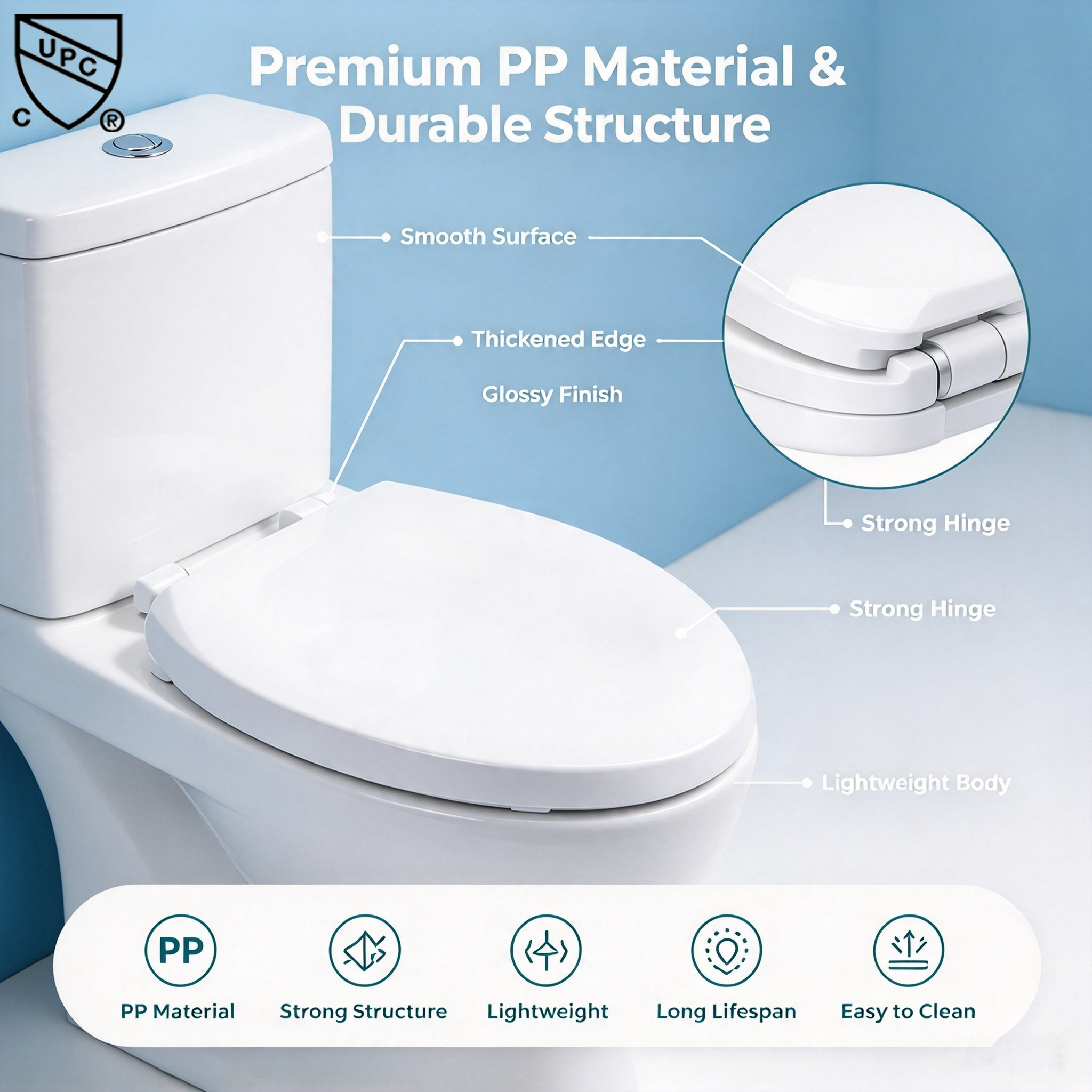
- High-Density Polypropylene (PP): Lightweight, highly resilient against impact, and resistant to harsh chemical cleaners.
- Antimicrobial Coatings: Many contemporary models incorporate silver-ion or antibacterial additives directly into the resin, actively inhibiting microbial growth between cleanings.
3. Ergonomic Comfort Tailored for Modern Living
Long gone are the days of rigid, flat profiles. Modern toilet seats are crafted using anthropometric research to distribute body weight evenly and relieve pressure points.
Key ergonomic advancements include:
- Contoured Seating Curves: Sculpted curvature designed to support natural posture and reduce numbness during extended use.
- Multi-Generational & Family-Friendly Options: Integrated dual-ring designs (magnetic child seats nested within adult rings) eliminate clutter while making bathrooms universally accessible.
- Universal & Sleek Profiles: Slimline profiles that seamlessly blend with contemporary minimalist, Nordic, and industrial bathroom aesthetics.
4. Sustainability and the Wellness Connection
As global consumers become increasingly eco-conscious, bathroom fixtures are being scrutinized for their environmental footprint. Modern toilet seats—especially when paired with integrated bidet attachments or washlet capabilities—play a pivotal role in reducing disposable paper consumption.
Incorporating water-based cleansing and precise mechanical fittings helps households cut down on paper waste, lower plumbing blockage risks, and foster a more sustainable home environment without sacrificing luxury.
5. High-Impact Value: A Budget-Friendly Upgrade
Unlike comprehensive bathroom remodels that can cost thousands of dollars and take weeks of construction, upgrading a toilet seat is one of the most cost-effective DIY home improvements available.
With universal top-fixing installation kits and adjustable hinge plates, most modern units can be securely installed in under fifteen minutes with basic household tools. The return on investment is immediate: enhanced daily convenience, elevated visual appeal, and long-term durability.
Feature Product
-
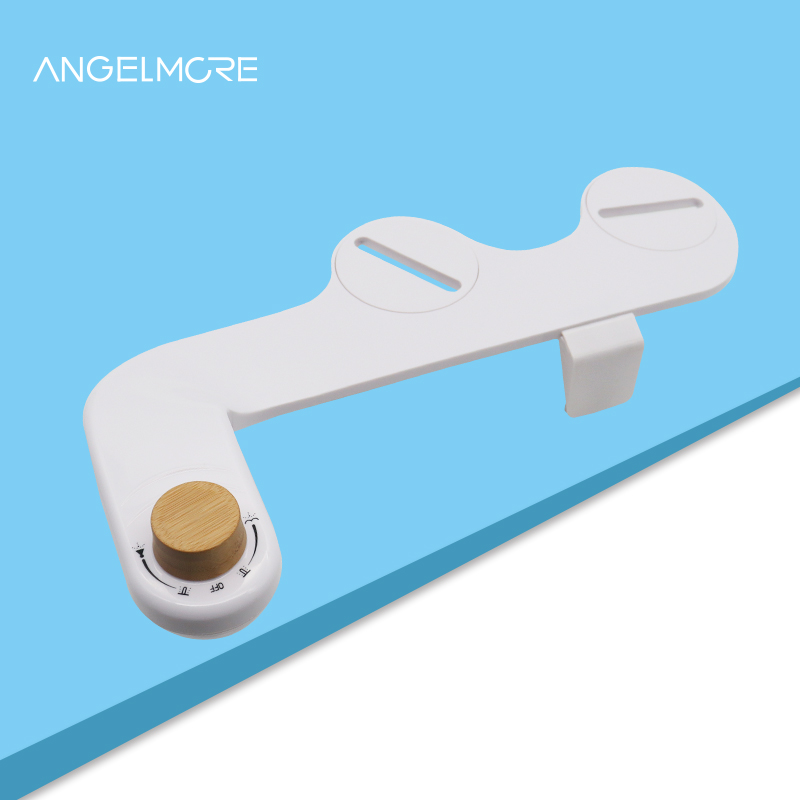 A8808 Cold Water Bidet
https://sc1108.searchtestsite.com/wp-conten...
-
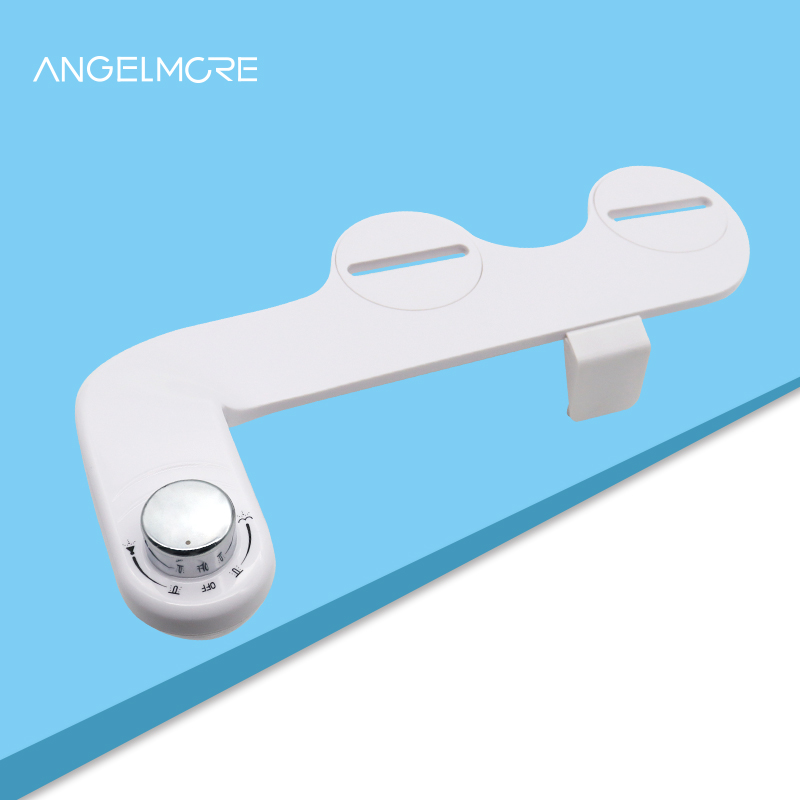 A8808 CUPC Certification Bidet
https://sc1108.searchtestsite.com/wp-content...
-
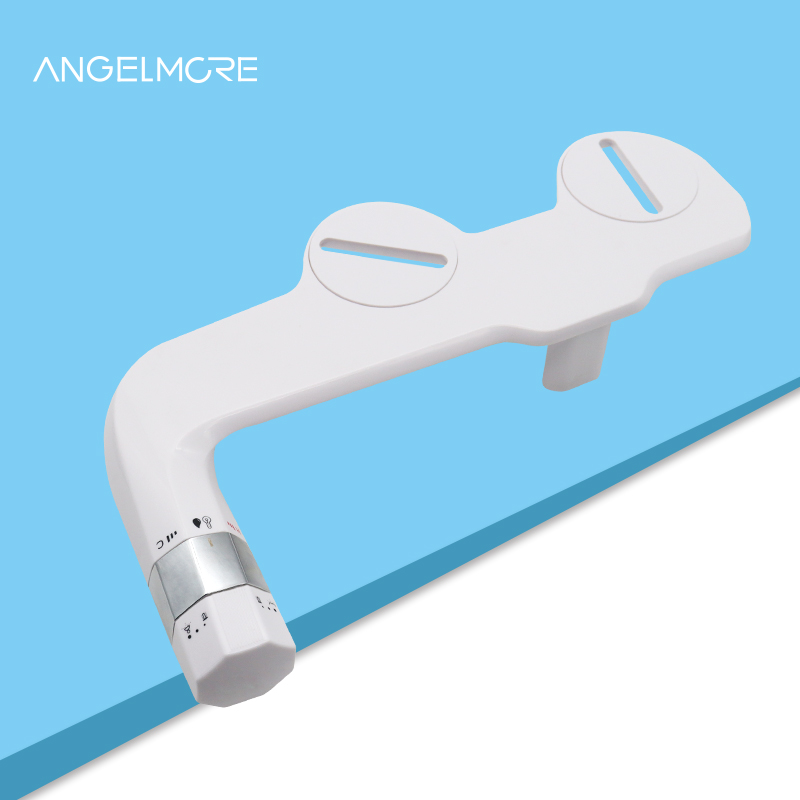 A8707 Cold & Hot Water Bidet
https://sc1108.searchtestsite.com/wp-content...