
Simple, Sustainable, and Accessible: The Rising Appeal of Mechanical Bidet Attachments
In recent years, the global personal hygiene landscape has undergone a profound transformation. While luxury electronic smart toilets often dominate high-end architectural showcases, a quieter, remarkably practical revolution is taking place across mainstream households worldwide: the surging adoption of non-electric bidets.
Powered purely by existing residential water pressure, non-electric bidet attachments and handheld sprayers have evolved from niche novelties into essential bathroom upgrades. By bridging the gap between superior personal hygiene, environmental stewardship, and budget-conscious accessibility, these mechanical marvels are proving that sophisticated innovation does not always require a power outlet.
1. Zero Wiring, Zero Power: Universal Bathroom Compatibility
One of the most persistent hurdles to installing electronic bidet seats is the lack of electrical outlets near standard toilet fixtures. In many regions, retrofitting a bathroom with a dedicated GFCI outlet can be expensive and logistically complex.
Non-electric bidets completely eliminate this barrier:
- No Electrical Hazards: Operating entirely without electricity means zero risk of water-electricity interaction, offering peace of mind in humid bathroom environments.
- Total Versatility: Compatible with standard plumbing, they can be deployed seamlessly in older homes, rental apartments, and vacation cabins alike.
2. High Durability and Low Maintenance Costs
Electronic appliances are inherently vulnerable to humidity, voltage fluctuations, and component degradation over time. In contrast, quality non-electric bidets rely on durable brass internal valves, braided metal hoses, and robust mechanical dials.
- Fewer Points of Failure: With no electronic circuit boards, sensors, or heating coils to burn out, mechanical bidets boast impressive lifespans.
- Budget-Friendly Accessibility: Delivering premium cleansing performance at a fraction of the cost of electronic units, non-electric bidets offer accessible personal care for every budget.
3. Effortless DIY Installation for Homeowners and Renters
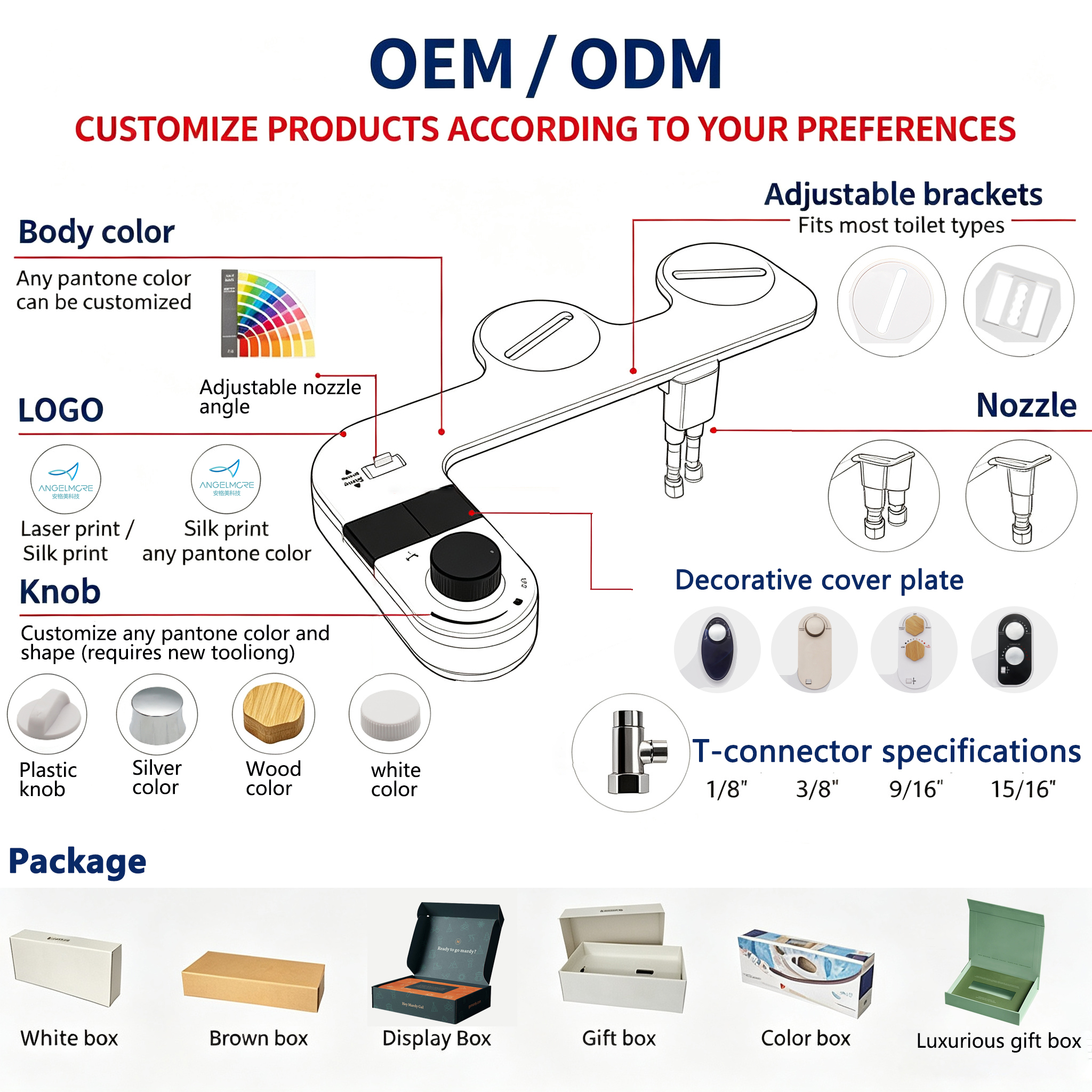
Modern non-electric bidets are engineered for the DIY era. Most attachments feature ultra-slim profiles (often 5–6 mm thick) designed to sit flush between the toilet bowl and existing seat without creating an awkward slope.
- 15-Minute Setup: Using standard T-valves and flexible supply lines, installation requires no specialized plumbing expertise and only basic household tools.
- Completely Reversible: Renters can easily uninstall the bidet and restore the original toilet configuration when relocating, making it the ultimate tenant-friendly upgrade.
4. Precision Mechanical Control and Superior Hygiene
Modern engineering has elevated the functional capability of non-electric bidet attachments far beyond basic single-stream nozzles:
- Dual-Nozzle Systems: Dedicated modes for posterior wash and gentle feminine cleansing cater comfortably to the needs of the whole family.
- Self-Cleaning Retractable Nozzles: Nozzles automatically retract behind a protective guard gate when not in use, with specialized nozzle-cleaning cycles ensuring pristine hygiene before and after each use.
- Intuitive Pressure Adjustment: Smooth, mechanical rotary dials provide granular, instantaneous control over water pressure—from a gentle spray to a firm, refreshing cleanse.
5. Tangible Environmental and Economic Savings
As global attention focuses on water conservation and deforestation, switching from dry toilet paper to water-based cleansing represents a substantial ecological win:
- Reducing Paper Waste: Bidet usage significantly decreases household toilet paper consumption, curbing reliance on virgin pulp and packaging waste.
- Lower Resource Footprint: Producing a single roll of traditional toilet paper requires considerable water and chemical processing; utilizing efficient water streams directly at the bowl yields a net reduction in overall resource consumption.
Feature Product
-
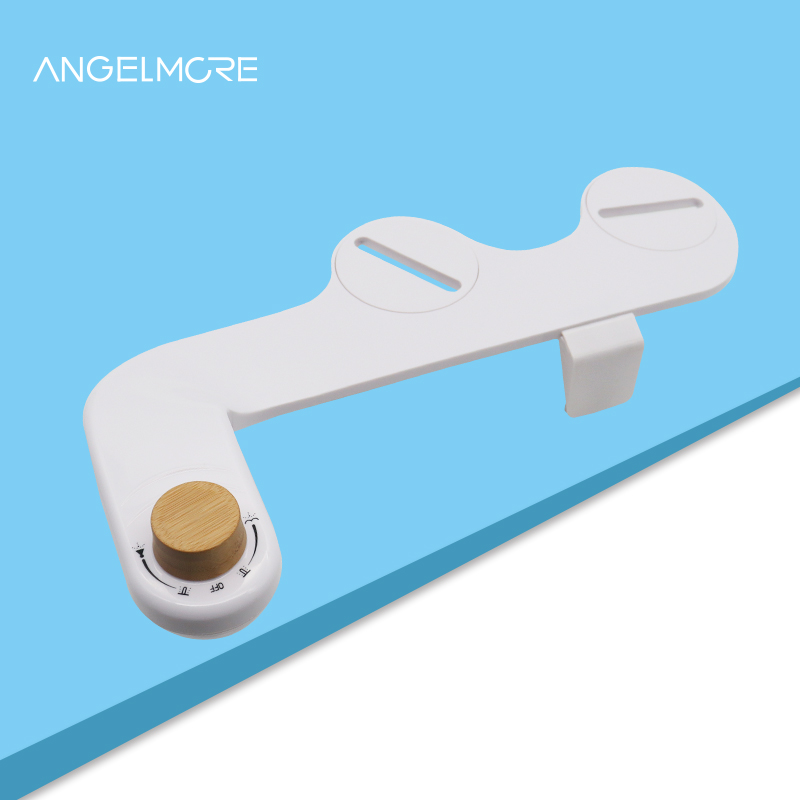 A8808 Cold Water Bidet
https://sc1108.searchtestsite.com/wp-conten...
-
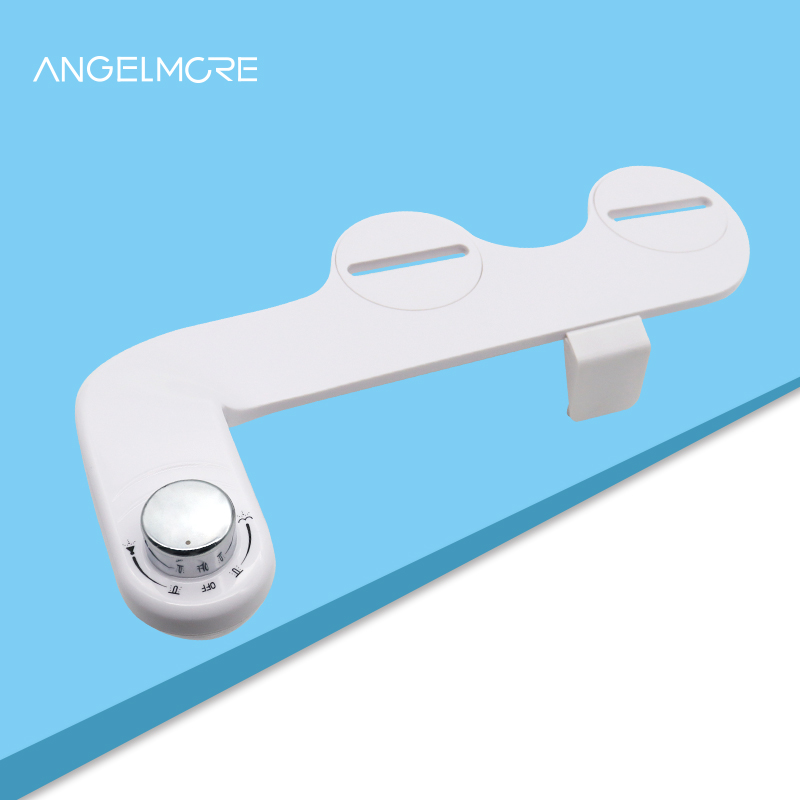 A8808 CUPC Certification Bidet
https://sc1108.searchtestsite.com/wp-content...
-
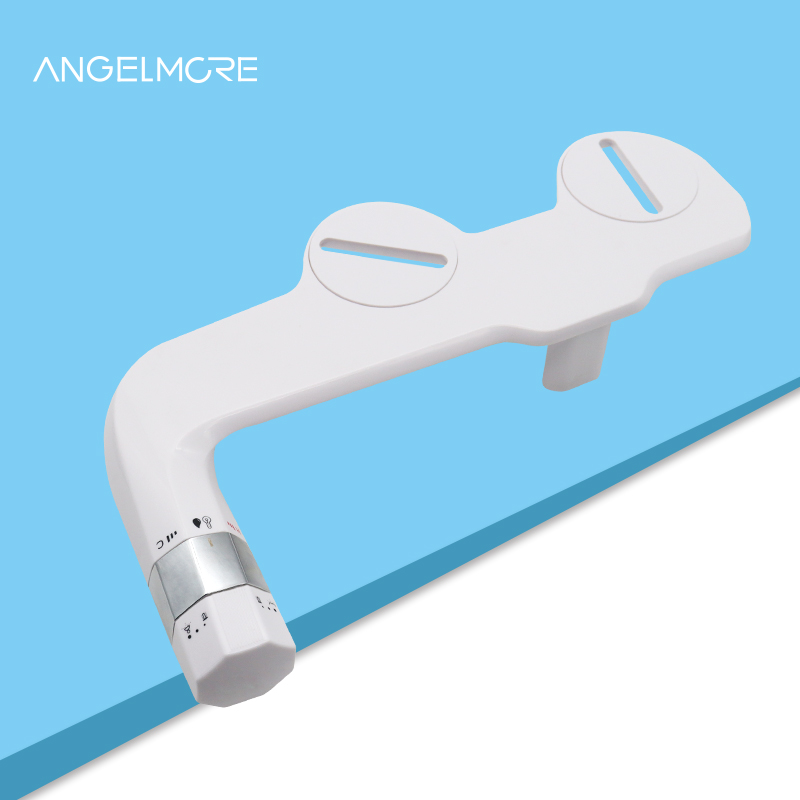 A8707 Cold & Hot Water Bidet
https://sc1108.searchtestsite.com/wp-content...